Cold Process vs. Melt-and-Pour: What’s the Difference?
May 3, 2026
Cold Process vs. Melt-and-Pour: What’s the Difference?
Soap making is an ancient craft that has evolved from a weeks-long process of mixing oils and lye to a quick and easy method. Looking at the different soap bars, you may think they are similar, but the methods used to prepare them makes all the difference in how it feels on the skin. At Natural Soap Outpost , we use the weeks-long artisanal method to produce a high-quality soup that truly benefits your body.
Let’s explore the two most popular soap-making methods: cold process and melt-and-pour, differences between the two and why we choose the cold process method at Natural Soap Outpost.
What Is Cold Process Soap?
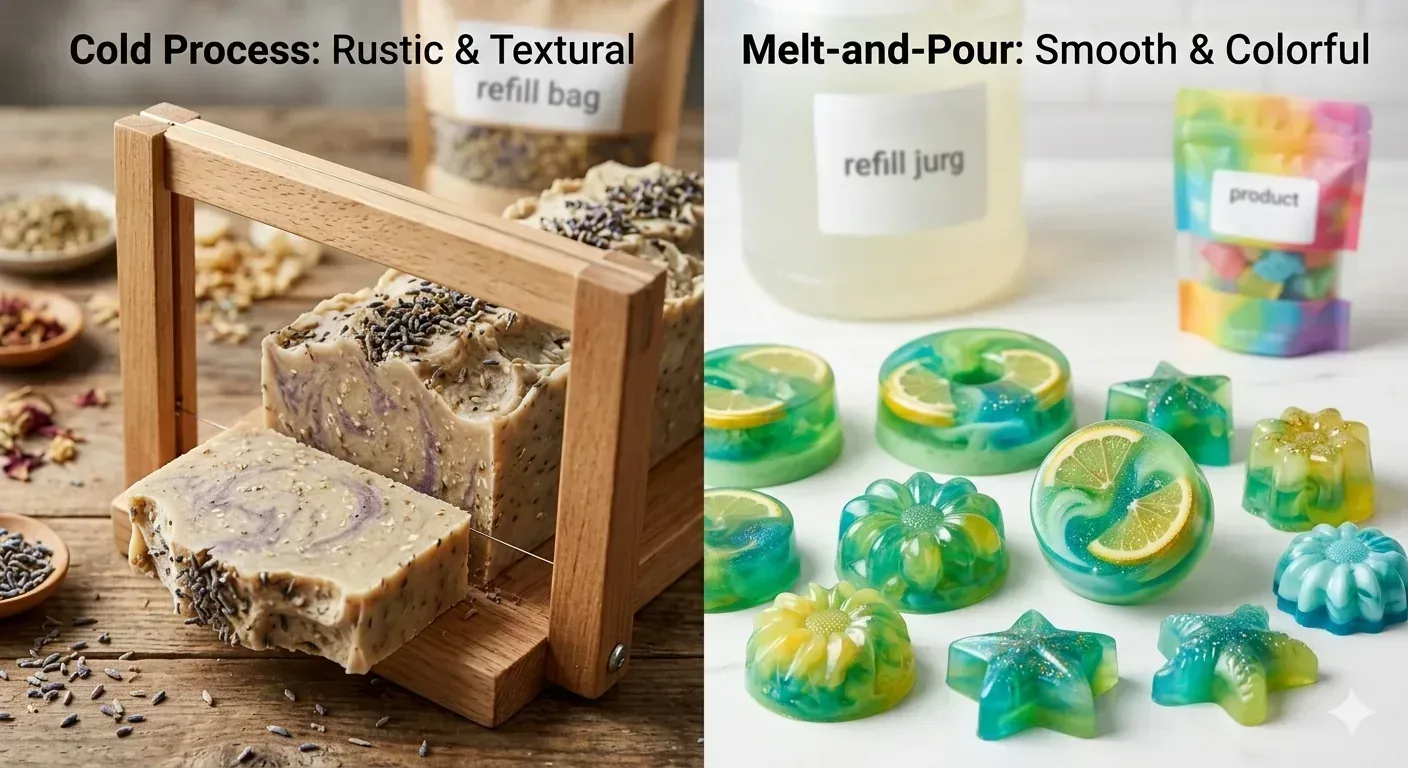
Soap is made traditionally from scratch using a cold press method. It is an artisanal method where natural oils blend with a lye solution that slowly transforms into soap. We can add natural oils and fats of our choice such as olive oil, coconut oil, castor oil, or shea butter in the mixture.
It takes 4 to 6 weeks to cure the soap via the cold process method. During this time excess water evaporates, soap hardens, and the soap bar becomes milder, while reaching the optimal pH. The patience it takes to cure the cold process soap is what sets it apart. This method allows the soup to preserve the integrity of all ingredients.
This enriches the soap with nourishing oils, giving a gentle and hydrating cleanse to the skin without the dry or tight feeling. At Natural Soap Outpost, we use this artisanal time-honored method to cure high-quality soaps that give a long-lasting moisturizing to your skin.
What Is Melt-and-Pour Soap?
Melt-and-pour soap is a modern method to use a pre-made soap base to prepare the soap. It takes a few hours to make the soap before it’s ready to use. The process starts with cutting the soap base, melting it, adding colors, additives, or fragrance, and pouring it into a mold.
It is a quick and easy method that comes with its limitations. For instance, we have a little control over the ingredients. The soap base has gone through saponification already, which makes it less beneficial for the skin. A soap made from the melt-and-pour method may feel dry on your skin.
Key Differences: Cold Process vs. Melt-and-Pour
1. Ingredient Control
In the cold process method we know the ingredients of our soap and have complete control to use the ingredients of our choice. On the other hand, the Melt-and-pour method involves using the pre-made soap base, where you don’t know the exact ingredients and have a little room for customization.
2. Glycerin Content
The cold process method allows the soap to retain its natural glycerin. Glycerin helps absorb moisture into your skin. Many melt-and-pour soaps do not have the moisturizing benefits because the pre-made commercial soap bases remove the glycerin. This may cause dryness after using the commercial soaps.
3. Skin Benefits
Soaps made from cold process methods are rich in natural oils and extra oils that are left unsaponified (superfatting). It has a gentle effect on your skin, nourishes it, hydrates it, and has long term benefits. Melt-and-pour soaps lack this nourishing effect on skin. Although most soaps made from the melt-and-pour method are milder than commercial soaps, they rarely have the same level of nourishment.
4. Production Time vs. Quality
It takes a few hours to prepare the melt-and-pour soaps. The cold process takes weeks, but it results in high-quality, long-lasting and harder soap bars that benefits your skin.
5. Creativity and Craftsmanship
There is room for creativity in both methods. But the cold process allows for customized natural oil selection, layered textures, and deeper artistic possibilities that makes it harder, more hydrating, and boosts the lather effect.
Why We Choose the Cold Process Method
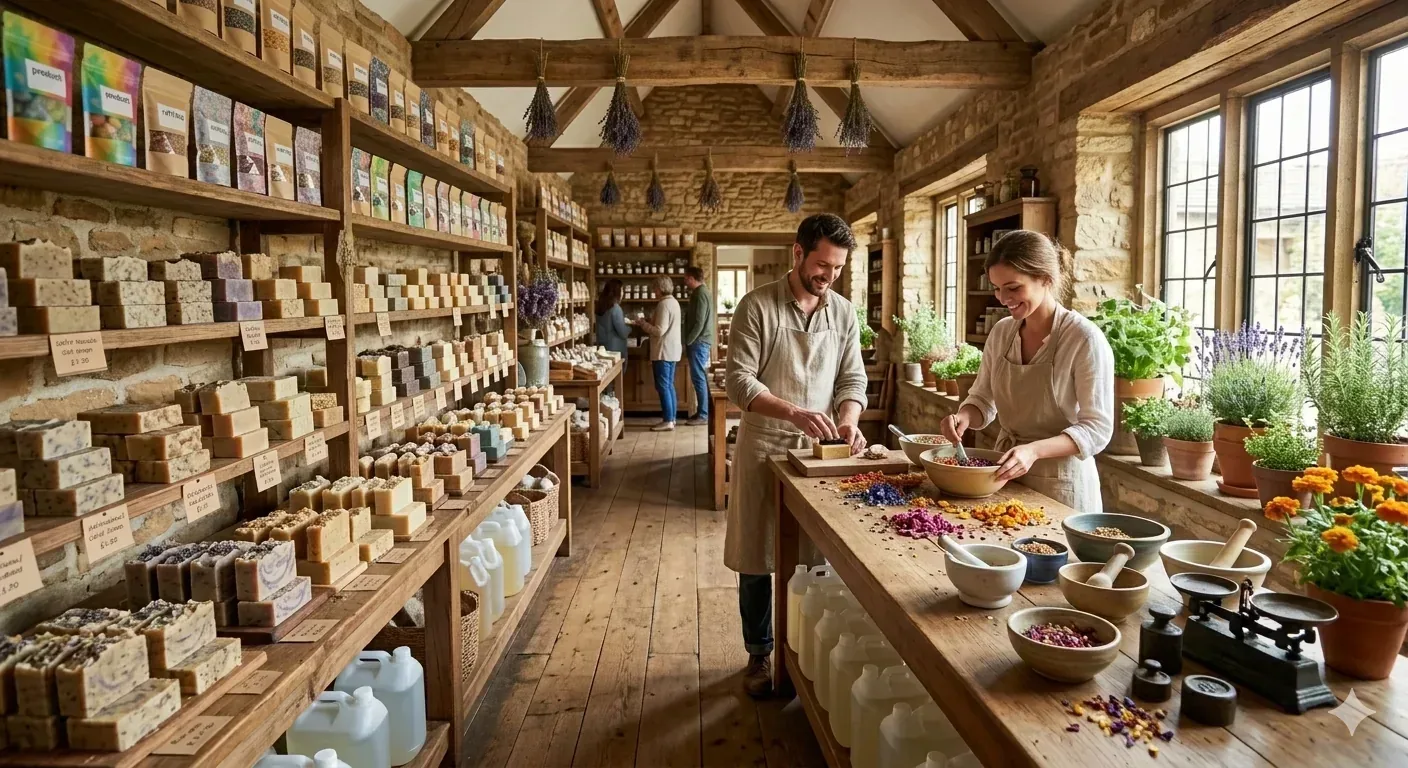
At Natural Soap Outpost, we produce high-quality soaps using traditional artisanal methods . We don’t rush the process, because your skin deserves the moisturising product. Our soaps are rich in natural oils and butters. We prepare small batches of soaps without any unnecessary or synthetic additives.
We carefully select the ingredients of our soaps so every bar retains natural glycerin, giving a moisturising and gentle feel to your skin. This artisanal approach isn’t just about making soap, it makes the soaps long-lasting, aromatic, and supports healthy skin every day.
At Natural Soap Outpost, we stand by the craftsmanship and care that goes into every bar. We choose the cold process method because it delivers true skincare benefits, ingredient transparency, and a luxurious feel.
Enjoyed this post? Browse our handcrafted natural soaps and lotions.
Shop Natural Soap Outpost →